If you've tried cutting calories and ended up hungry, cranky, and right back where you started, protein maxxing might be the shift you need. The idea is straightforward: make protein the center of every meal, and let everything else fill in around it. It's not a fad. There's a solid body of research behind why high-protein eating supports weight loss better than just reducing calories alone.
Protein maxxing isn't a formal diet. It's a mindset: prioritize protein at every meal, hit a meaningful daily target, and stop treating protein as an afterthought. Most people eat far less protein than they think they do. A typical American diet often skews heavily toward carbohydrates and fats, leaving protein intake well below what supports fat loss and muscle retention.
The general target most nutrition researchers and dietitians work with is somewhere between 0.7 and 1 gram of protein per pound of body weight per day, though individual needs vary. That's a meaningful amount, and hitting it consistently is the whole point.
Protein pulls more levers than any other macronutrient. It keeps hunger in check, costs your body more calories to process, and protects the muscle you need to keep your metabolism running. Each of those things matters on its own. Together, they make a strong case for why protein deserves to be the priority.
Protein is more satiating than carbohydrates or fat. Higher-protein meals tend to reduce hunger hormones like ghrelin and increase fullness signals, which means you're less likely to reach for a snack an hour after eating. That satiety effect is one of the most practical advantages of eating more protein, because it reduces the white-knuckle willpower moments that derail a lot of diets.
Protein has a higher thermic effect than the other macronutrients. Your body uses roughly 20-30% of the calories in protein just to digest and process it, compared to about 5-10% for carbohydrates and around 0-3% for fat. That means a 200-calorie serving of chicken breast actually delivers fewer net calories than 200 calories of white rice. It's a passive advantage that adds up over time.
This is where a lot of weight loss goes wrong. Cutting calories aggressively without enough protein often leads to muscle loss alongside fat loss. Less muscle means a slower metabolism, which makes keeping weight off harder. Eating enough protein signals your body to hold onto muscle tissue even in a calorie deficit. The goal isn't just a lower number on the scale. It's losing fat while preserving the muscle that keeps your metabolic rate healthy.
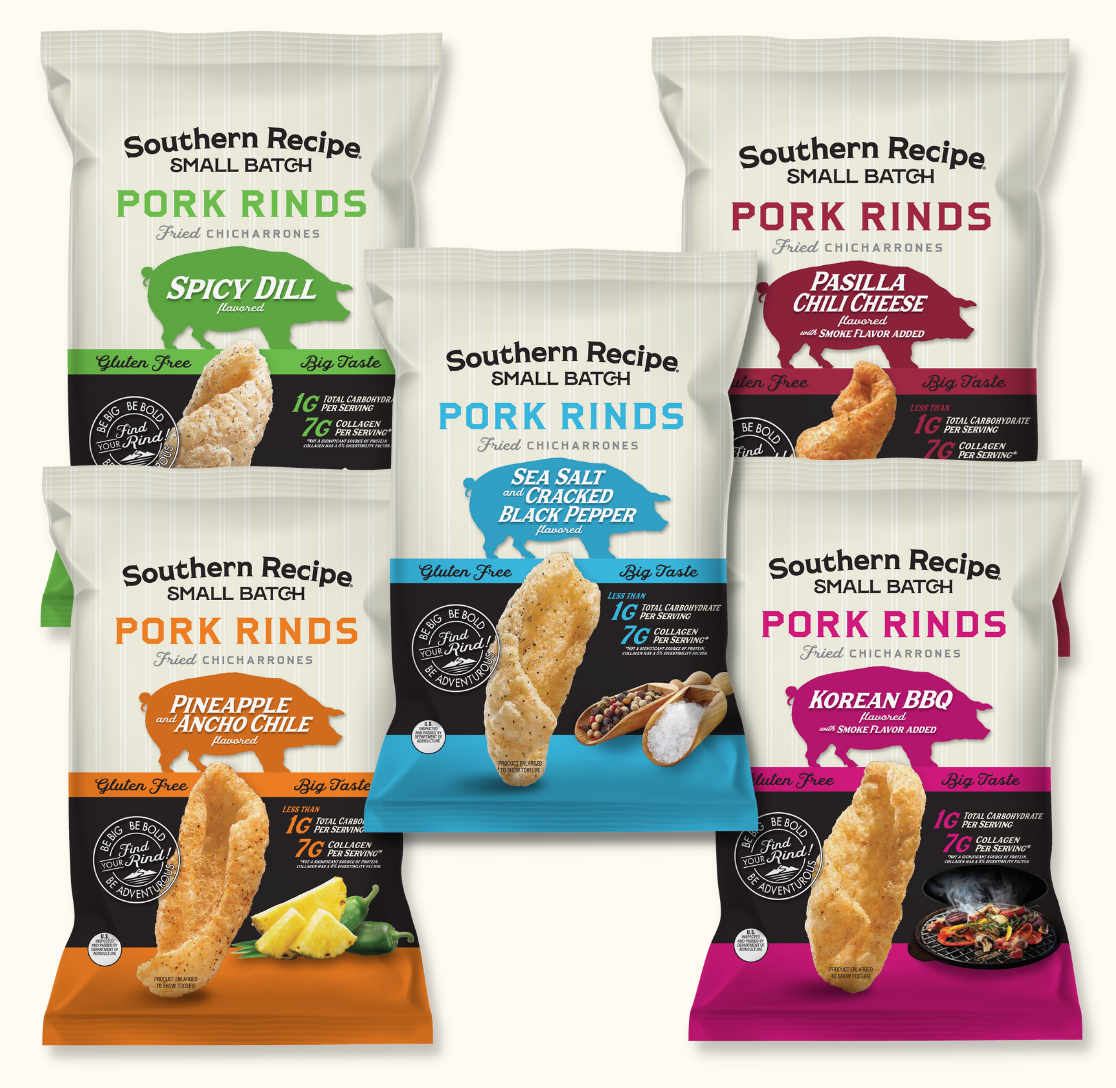
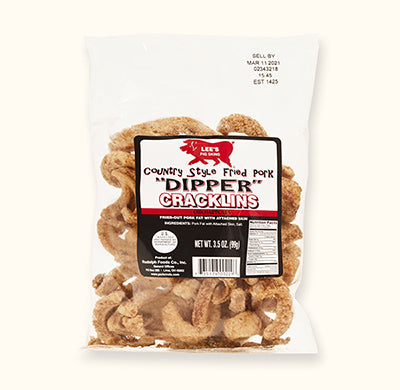
There's no one-size-fits-all number, but a practical starting point is 0.7 to 1 gram per pound of body weight. For a 170-pound person, that's roughly 120 to 170 grams of protein per day. That might sound like a lot, but spread across three meals and a protein-rich snack like pork rinds, it's manageable.
If you're just starting out, don't try to hit the upper end on day one. Work up gradually. Your digestion will adjust, and your food preferences will shift as you build the habit.
Not all protein sources are equal in terms of amino acid profile, digestibility, and prep time. Here are some reliable options worth building meals around:
Animal proteins: Chicken breast, eggs, Greek yogurt, cottage cheese, lean beef, turkey, fish (especially salmon and tuna), and shrimp are all high-protein and widely available. Keto chicharrones are another solid option if you want something crunchy that travels well.
Dairy: Both Greek yogurt and cottage cheese are underrated. A single cup of plain nonfat Greek yogurt typically delivers 17-20 grams of protein with almost no prep.
Protein supplements: Whey, casein, and plant-based protein powders are useful tools for hitting your numbers on busy days. They're not magic, just convenient.
Plant-based options: Lentils, edamame, tofu, tempeh, and black beans are solid choices, though you'll typically need to eat more volume to hit the same protein numbers as animal sources.
Knowing your protein goal and actually hitting it are two different things. A few approaches that tend to work:
Build meals protein-first. Decide what your protein source is, then fill the rest of the plate around it. Protein stops being an afterthought when it's the starting point.
Prep ahead. Hard-boiled eggs, cooked chicken, and Greek yogurt require almost no effort if you prep them in advance. Having ready-to-eat protein removes the friction that leads to low-protein snacking.
Track for a few weeks. You don't have to track forever, but most people are surprised by how little protein they're actually eating once they start logging. A few weeks of tracking builds an intuitive sense of portion sizes and protein content that you can rely on long-term.
Add protein to meals you already eat. Stir Greek yogurt into oatmeal. Add cottage cheese to scrambled eggs. Toss edamame into a salad. Small additions compound quickly across a full day.
Eating too much protein at once and not enough across the rest of the day is a common pattern. Your body can only use so much protein in a single sitting for muscle synthesis, so spreading intake across meals tends to work better than loading up at dinner.
Relying too heavily on protein bars and shakes is another trap. They're useful in a pinch, but whole food sources come with fiber, micronutrients, and satiety that processed options often can't replicate. Use supplements to fill gaps, not as the foundation.
Breakfast is also worth getting right. It's the easiest meal to make high-protein, and starting the day with a solid intake tends to reduce cravings later. Two eggs and some cottage cheese will do more for your appetite control than toast and juice.
For most healthy adults, yes. The concern about high protein intake damaging kidneys applies primarily to people who already have kidney disease. For people with healthy kidney function, research generally supports higher protein intakes without negative health effects. If you have any existing health conditions, check with a doctor before making significant dietary changes.
Protein maxxing works because it addresses the two biggest problems with most weight loss approaches: hunger and muscle loss. Eat enough protein, and you'll stay fuller on fewer calories while holding onto the muscle that keeps your metabolic rate healthy. The mechanics aren't complicated. The hard part is consistency, and that gets easier once high-protein eating becomes a habit rather than an effort.
Start with your protein target, build meals around it, and track for a few weeks to calibrate. That's the whole framework.