Doing keto means fat is your friend. But not all fats cook the same way or affect your body identically. Beef tallow and lard are animal fats that fit a ketogenic diet, but they have different nutritional profiles, smoke points, and flavors. Knowing which one to reach for can make meal prep easier and your results better.
They're zero-carb and high in saturated fat, which makes them keto staples, just like keto chicharrones when you need something crunchy between meals. But the fat composition varies enough that it's worth understanding what you're actually cooking with.
Beef tallow is rendered fat from cows, usually from around the kidneys or other trimmings. It's solid at room temperature, creamy white, and has a mild beefy smell when you heat it up.
Lard is rendered pork fat. Most of the time it comes from the back or belly fat of pigs. It's also solid when cool but softer than tallow. The smell is more neutral, though that depends on how it was processed.
Each one gets shelf-stable when rendered properly. And people have been using them in kitchens for centuries before vegetable oils took over.
Here's where things get a bit more specific. Beef tallow is about 50% saturated fat, 42% monounsaturated fat, and 4% polyunsaturated fat. Lard sits closer to 39% saturated, 45% monounsaturated, and 11% polyunsaturated.
So lard has more of that heart-friendly monounsaturated fat (the same type in olive oil), while tallow skews heavier on saturated fat. Each one clocks in at around 120-130 calories per tablespoon, which is standard for pure fats.
The omega-6 content in lard is higher than that of tallow. That's not a dealbreaker, but balancing it with tallow or other fats makes sense for anyone eating a lot of pork or chicken (which tend to have more omega-6).
Neither has carbs nor protein. They're just fat, which is exactly what keto needs.
These fats support ketosis because they give your body energy without spiking blood sugar. Your liver converts the fat into ketones, and you stay in fat-burning mode.
The difference comes down to how your body processes the fat types, though most people won't notice a huge variation in ketone levels between the two. Tracking with a meter could show minor differences, but it's usually not significant enough to base your choice on.
Anyway, this is where the real differences show up. Beef tallow has a smoke point around 420°F, which makes it great for high-heat cooking like searing steaks or roasting vegetables. It doesn't break down or taste burnt until you really crank the heat.
Lard's smoke point is a bit lower at around 370°F. Still fine for most frying and sautéing, but not ideal for super high-heat applications. It shines in baking, making pie crusts, or pan-frying at medium temperatures.
Flavor-wise, tallow adds a savory, slightly beefy taste. That's perfect for cooking meat or wanting that richness, but it can overpower lighter dishes. Lard is milder and lets other flavors come through more. It often has a slightly buttery quality.
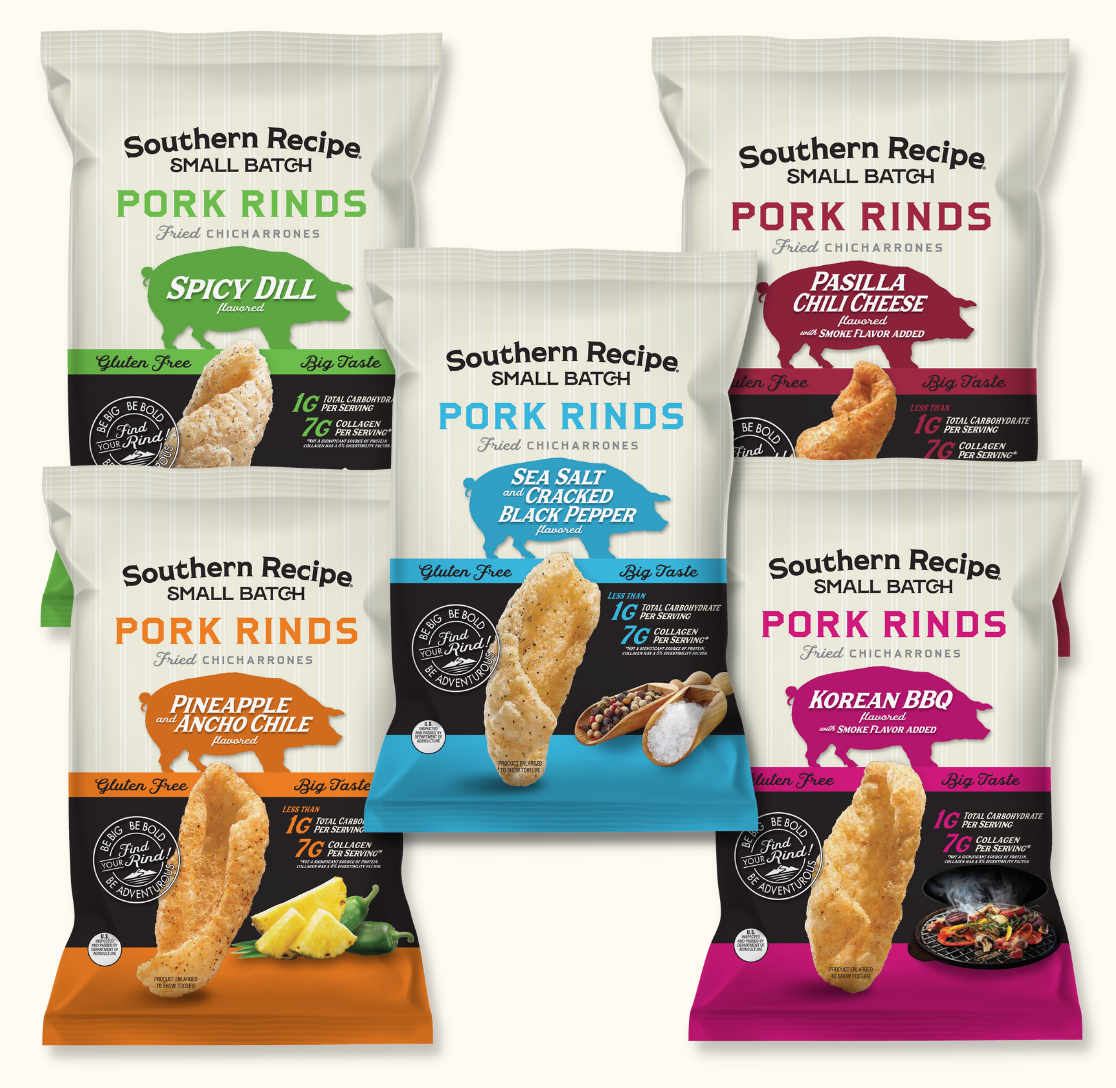
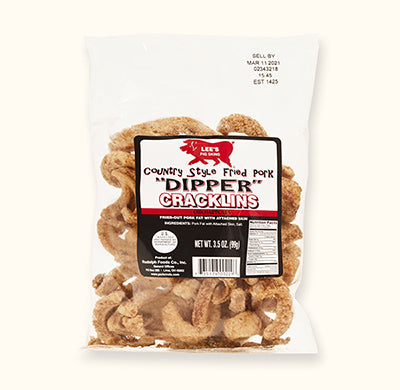
Making something like keto-friendly pork rinds (which you can find ready-made at places like PorkRinds.com for anyone who doesn't feel like frying their own)? Lard is the traditional choice. But tallow handles the job too.
There's no clear winner here. Each one fits keto macros perfectly and provides the fat you need to stay in ketosis.
Concerned about inflammation or omega-6 intake? Tallow might be the safer bet since it has less polyunsaturated fat. Want something versatile for savory and sweet dishes, like these keto comfort food recipes? Lard is probably the move.
Rotating between the two just to vary fat sources isn't a bad idea. Dietary variety generally supports better nutrient intake over time.
Store them in the fridge for anything longer than a few weeks. Tallow lasts longer at room temp than lard, but cold storage extends the life of either one.
You can mix them. Half tallow, half lard gives you a fat blend with balanced properties. It's not necessary, but it handles whatever you have on hand.
For deep frying, tallow holds up better over multiple uses. Lard can start to taste off when reused too many times at high heat.
And when buying either one, check the label. Some lards are hydrogenated, which adds trans fats you don't want. Look for pure, non-hydrogenated versions.
Tallow and lard each work on keto. Tallow has more saturated fat and handles high heat better. Lard has more monounsaturated fat and a milder flavor. Pick based on what you're cooking and what fits your macros.
Meal prepping or just trying to keep keto simple? Having them in your kitchen gives you more flexibility. But stocking just one means going with whichever matches how you cook most often.