Snacking on a low-carb diet is trickier than it looks. Most packaged snack options are loaded with added sugars, refined grains, or starchy fillers that can knock you out of ketosis or spike your blood sugar fast. But there are plenty ofcrunchy keto snacks that actually fit a low-carb lifestyle, you just need to know where to look.
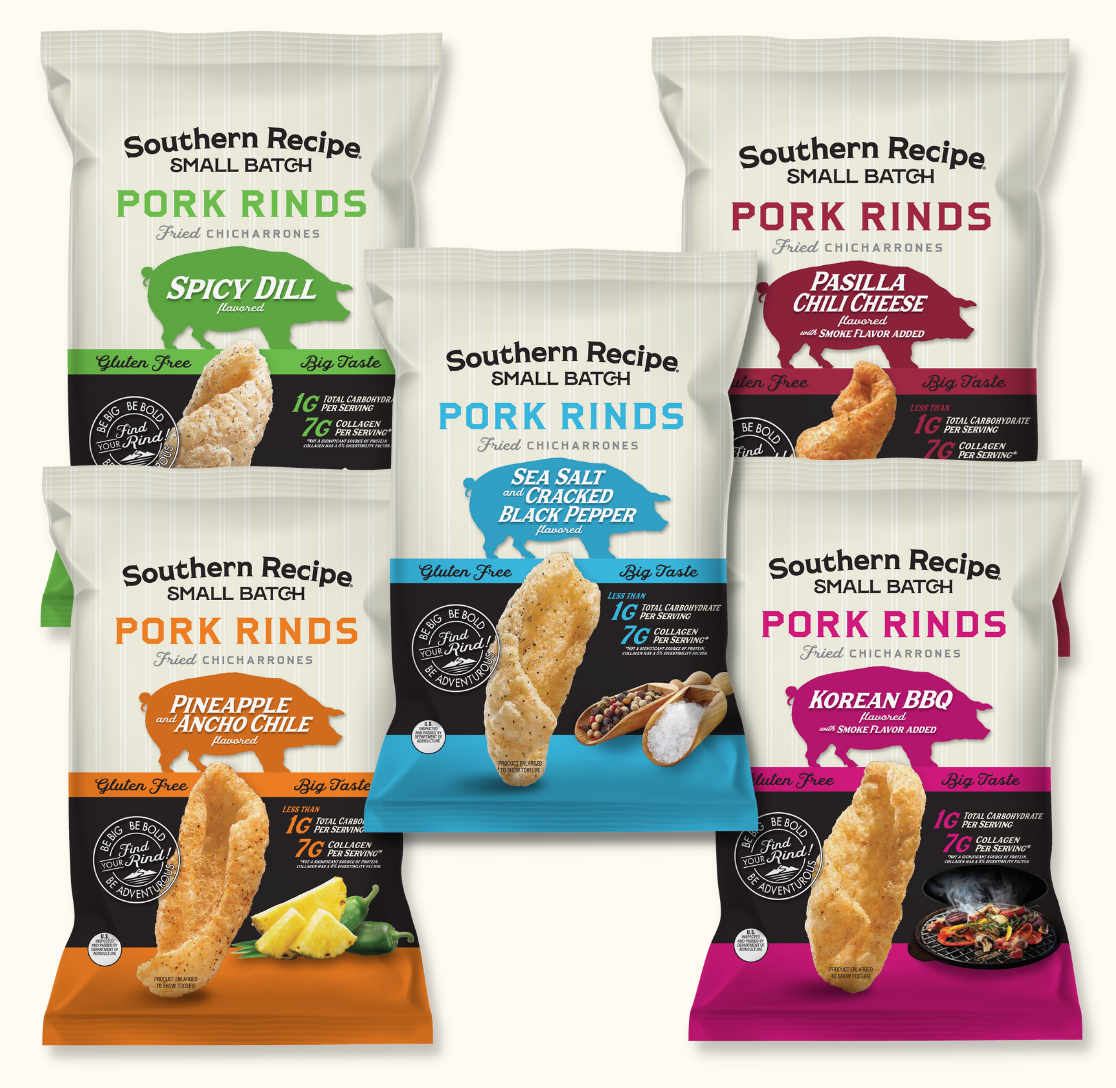
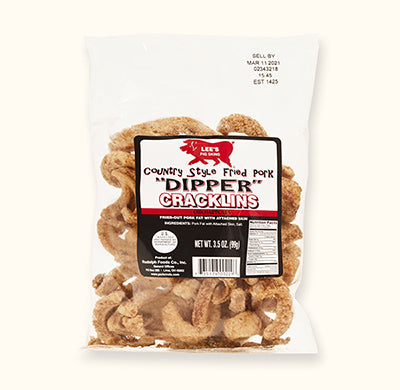
Pork rinds are a natural starting point. Zero net carbs, high in protein, and crunchy enough to scratch that chip itch without the carb cost. Unlike most crunchy snacks, they hold up well to dips and travel easily. Cracklins and chicharrones fall into the same category all made from pork skin or fat, all at or near zero net carbs, all bringing that satisfying crunch that's genuinely hard to find in low-carb snacking otherwise.
Hard-boiled eggs are a different kind of dependable. Two large eggs clock in at roughly 1g of carbs and around 12g of protein, which means they'll actually hold you over between meals. Make a batch at the start of the week, and you've got grab-and-go snacks ready for days.
Cheese is naturally low in carbs, though the exact count varies by type. Hard varieties like cheddar, parmesan, and gouda tend to land on the lower end, typically 0-1g of net carbs per ounce. If you want something with more texture, baked cheese crisps are a solid option and easy to make at home.
Nuts fit a low-carb diet too, but serving size matters more than most people realize. Almonds, macadamia nuts, and pecans are lower in net carbs per ounce compared to cashews or pistachios, which can add up quickly. A small handful fits comfortably into most low-carb budgets. A whole bag does not.
Deli meat roll-ups are underrated. Wrap a slice of turkey, ham, or roast beef around a piece of cheese or a pickle spear, and you've got something that feels like a real snack with no prep time and no meaningful carb cost. Salami and pepperoni pull off the same trick.
Beef jerky and meat sticks are good candidates for the snack bag, but check the label before buying. A lot of jerky brands add sugar or honey, which pushes the carb count higher than you'd expect. Look for options that typically land under 3-4g of carbs per serving.
There's no single answer, but a general guideline for strict keto is to keep individual snacks to often under 5g of net carbs. For a less restrictive low-carb approach, somewhere in the 5-10g range is often workable depending on how much room you have left in your daily budget.
Net carbs are the number that matters which is total carbohydrates minus dietary fiber and sugar alcohols. People following a low-carb diet typically aim for somewhere between 20g and 50g of net carbs per day, though the exact target varies by individual goals and the specific approach they're following.
The front of a snack package can be misleading. "Natural," "organic," and "no artificial ingredients" say nothing about carb content. Flip it over and check the nutrition facts.
Watch for hidden sugars listed under names like dextrose, maltodextrin, or cane juice. They're still sugar regardless of how they're labeled. Snacks marketed as healthy can still be carb-heavy if the ingredients list includes any of those.
Serving size is worth checking too. A snack with 4g of net carbs per serving sounds fine until you notice the serving size is five chips.
Zero carb snacks that combine protein and fat tend to keep you full longer than those relying on a single macronutrient. That's part of why pork rinds with guacamole or cream cheese dip hit differently; you're getting crunch, fat, and protein at once.
Hard-boiled eggs alongside a few slices of cheese follow the same principle, as do deli meat roll-ups with avocado. The combination holds better than any single item on its own.
Granola bars, most protein bars, rice cakes, pretzels, and fruit snacks are common traps on a low-carb diet. Even trail mix can become a problem if it's heavy on dried fruit or chocolate pieces. These aren't bad foods in general, they're just not a fit for a low-carb approach where carb counts matter.
Protein bars are a good example of label-reading in action. They're often marketed toward fitness and health, but many contain upwards of 15-20g of carbs per bar. Check the label the same way you would for anything else.