Fat is the primary fuel on a low-carb diet once carbs drop out of the picture. Where it comes from matters more here than on a standard diet. You're relying on it for more of your daily calories.
Butter, tallow, and lard do most of the cooking work on a low-carb plate, but they don't all take heat the same way. At around 400°F, tallow's smoke point is high enough to hold up in a hot pan without breaking down. Lard lands in nearly the same range and swaps in cleanly wherever a recipe used to call for shortening. Butter is the exception: its smoke point drops to about 300°F, so it works better for finishing a dish than for searing a steak.
Fatty cuts of meat carry their own fat along for the ride. A ribeye, pork shoulder, or chicken thigh with the skin on delivers protein and fat in the same bite, no separate cooking fat required.
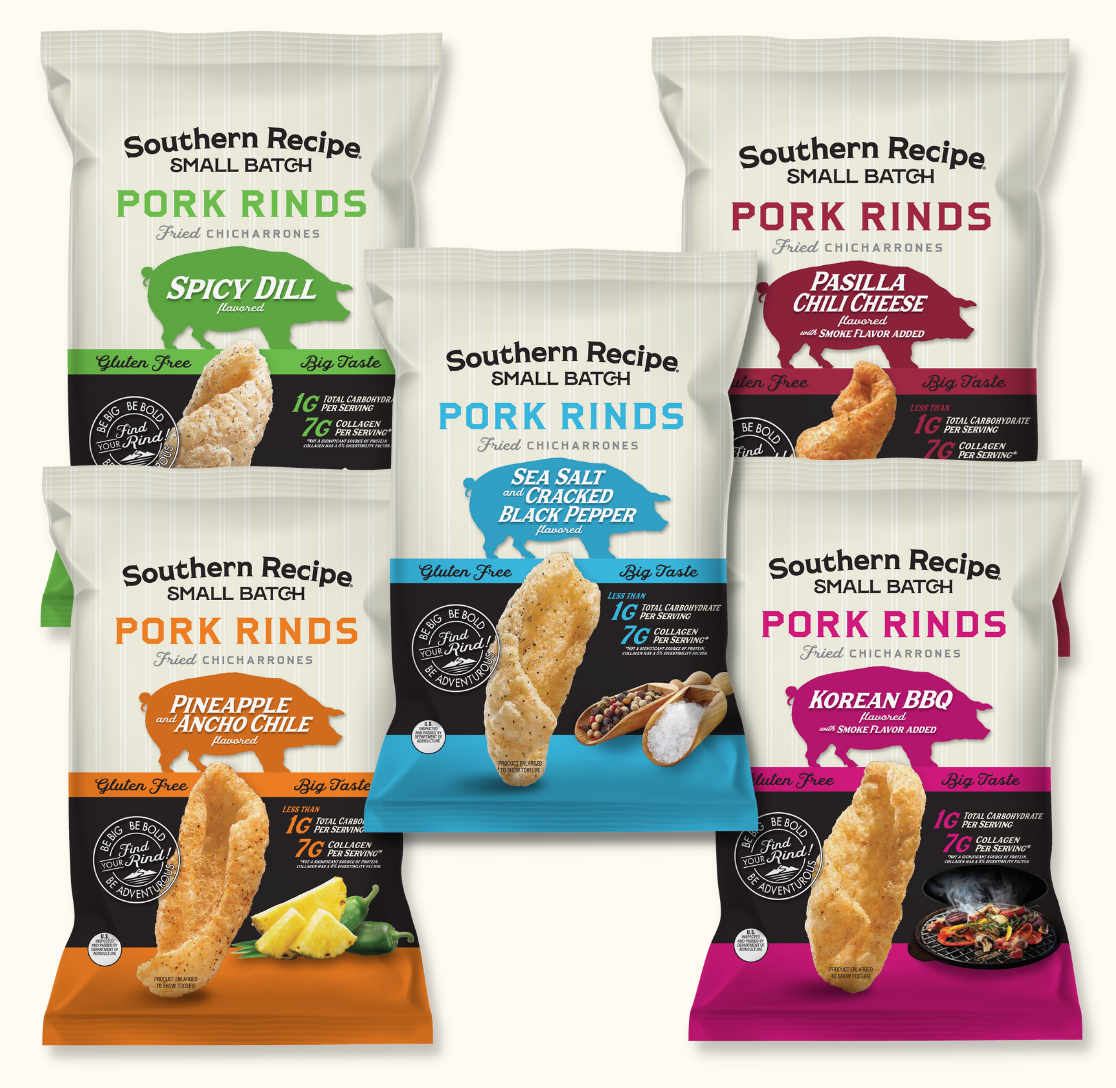
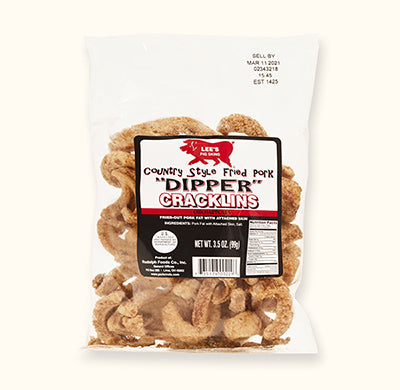
Pork rinds fall into this category too. They're rendered pork fat and skin, so the fat is already built in. A serving runs zero carbs, and the fat content is part of what makes them filling in a way a carb-heavy snack usually isn't. PorkRinds.com sells flavored versions with the fat intact, which makes them a straightforward stand-in for chips when a recipe calls for something crushed and crunchy.
Olive oil is mostly monounsaturated fat, and it holds up fine for dressings, drizzling, or low-to-medium heat cooking. It's not built for a screaming-hot pan. Push it too far, and it starts to smoke and taste burnt well before tallow or lard would.
Avocado oil tolerates more heat than olive oil, especially the refined version, which has a smoke point around 500°F. That's high enough to sear with, well past the point where olive oil would already be smoking.
Coconut oil is mostly saturated fat, so it's stable at high heat. The flavor is distinct enough, though, that it doesn't work in everything. Treat it as a dish-specific choice rather than an everyday default.
Salmon, sardines, and mackerel bring omega-3 fat, which none of the fats above supply. A 3-ounce serving of salmon has somewhere between 5 and 9 grams of fat, depending on whether it's wild or farmed. Beef tallow and olive oil don't carry that same omega-3 profile, no matter how much of them you eat. Two servings of fatty fish a week gets you there instead.
Cheddar and parmesan add a meaningful amount of fat along with their protein, the way most aged cheeses do. Go further into the dairy case, and you hit cream cheese and sour cream, both close to pure fat with barely any carbs, and better suited as an addition than a main event. Heavy cream tops the scale at roughly 5 grams of fat per tablespoon.
Macadamia nuts rank near the top for this: high fat, and lower in carbs than most other nuts. The carb count creeps up faster with almonds and walnuts, though, if you're not measuring. A quarter cup of whole almonds has about 3 grams of net carbs, which adds up fast if you're treating the bag as bottomless instead of portioning it out. If measuring nuts by the handful gets tedious, PorkRinds.com's crunchy, low-carb lineup skips the math entirely, since a bag runs zero carbs no matter how much you eat.
Vegetable oil blends and margarine are worth a second look at the label. Partially hydrogenated versions contain trans fats, which come with cardiovascular risks that saturated animal fat and olive oil don't. If hydrogenated oil shows up on the ingredient list, that's reason enough to skip it.
Portion size matters more with fat than with protein. It's calorically dense, so a diet built around unlimited fat without attention to quantity can stall progress even while carbs stay low.
Most of a low-carb kitchen comes down to two things: a well-marbled cut of meat, and a fat that can handle real heat without falling apart. Fish and macadamias round out what those two miss. The rest is just deciding which pan to reach for.