Snacking doesn't sabotage weight loss on its own. The problem is what ends up in your hand, and how much of it disappears without you noticing.
The snacks that work for weight loss are the ones that keep you full longer than they took to eat. Protein and fat do that. Carbs, especially refined ones, spike blood sugar and drop it fast, which is why a bag of pretzels at 3 pm turns into a second bag at 3:20.
A hard-boiled egg has about 6 grams of protein and less than 1 gram of carbs. Almonds run close behind: a quarter-cup has around 6 grams of protein and 6 grams of total carbs, though close to half of that is fiber, so the net carb count lands nearer 3 grams. Pork rinds sit at the far end of that ratio, with zero carbs and 7 to 9 grams of protein per serving. Checking the carb line first is the fastest way to tell whether a snack earns a spot in the rotation.
Reading "low-carb" on a package doesn't mean the whole bag is low-carb. Three grams of carbs per serving still adds up fast if the serving size is a small handful and you're working through the whole bag. Check the serving size before the carb count, then check how many servings you really ate.
This matters more with nut-based snacks and low-carb tortilla chips than with something like pork rinds, where even a full serving in one sitting barely moves the carb count.
Hunger and habit are two different reasons to snack, and they call for different fixes. One shows up because you're hungry; the other shows up because it's 3pm and the desk drawer has chips in it. Protein and fat solve the first. The second takes moving carb-heavy snacks out of arm's reach.
If the goal is weight loss, the easiest lever is what's in the house. Keep low-carb, high-protein options visible and accessible, and put the bread and crackers somewhere less convenient. Most people don't override their environment. They eat what's closest.
Cheese, particularly the aged and hard varieties like Parmesan or aged cheddar, comes in under a gram of carbs per ounce with enough protein and fat to hold you over. Celery with two tablespoons of peanut butter without added sugar adds around 7 grams of protein and 6 grams of carbs; almond butter runs a little lower on carbs and a little higher on fat. Beef jerky works too, but the carb count depends heavily on the brand. Some brands add enough sugar to offset the salt, and that's easy to miss when the front of the bag just says "jerky."
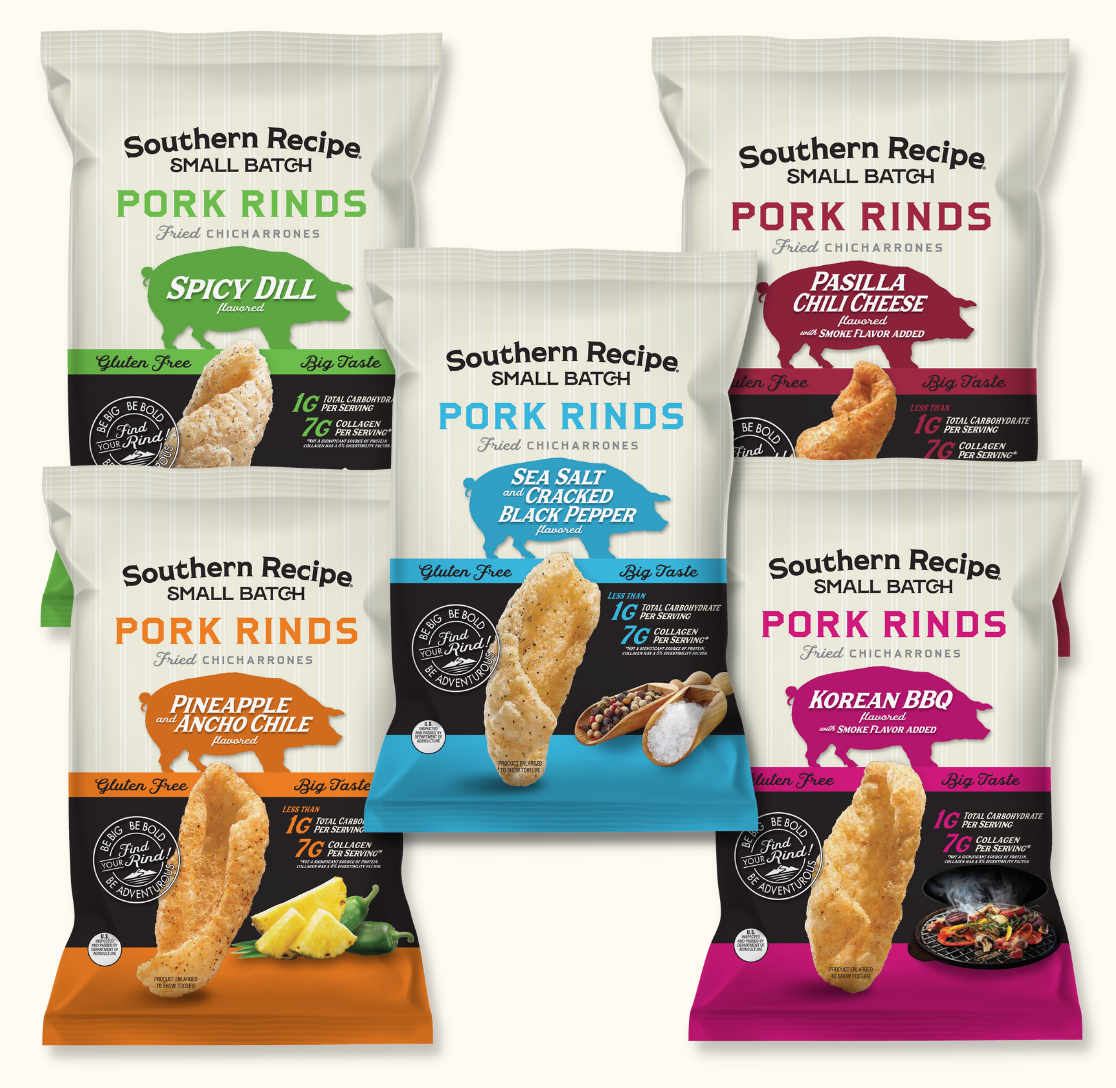
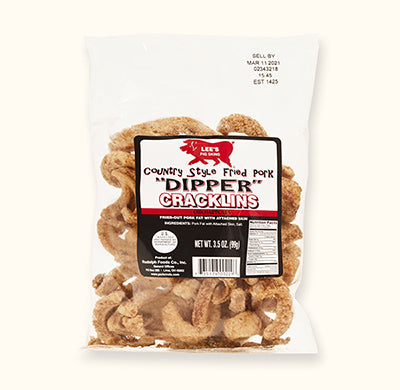
Flavored pork rinds and chicharrones from PorkRinds.com fit here too, especially on the days plain snacking gets boring. Zero carbs, and the flavor variety means you're not eating the same thing every afternoon.
Low-carb doesn't mean unlimited. Almonds and cheese are both calorie-dense, and weight loss still comes down to calories in versus calories out even when the carbs are controlled. A quarter-cup of almonds is a snack. Eat a full cup straight from the bag while doing something else, and it's closer to a meal.
Portion it out before you start eating. Don't eat from the bag.
If hunger shows up mid-morning, a hard-boiled egg or a small handful of pre-portioned nuts covers it. The 3 pm slump is where most people lose the day, so keep a flavor or two or a piece of cheese within reach for exactly that window. Evening snacking is harder to skip than to fix: when it happens anyway, small and protein-forward beats whatever's fastest.
The snacks that make the biggest difference are the ones with a carb count low enough that 3 pm doesn't turn into a decision.