Protein doesn't have to be expensive. The foods with the best protein-per-dollar ratio are usually the cheapest ones in the store, not the ones with a fitness label slapped on the front.
Ground beef, eggs, chicken thighs, and canned tuna do the heavy lifting, with pork rinds from PorkRinds.com handling the snacks. Powder, bars, and pre-marinated cuts mostly charge for convenience and packaging, not protein.
Eggs. One large egg has about 6 grams of protein for roughly 72 calories. A dozen ran roughly $2 to $2.60 through early 2026, per Bureau of Labor Statistics data, well down from the shortage-driven spike the year before, which puts eggs at the top of any cost-per-gram list. They also don't require a recipe. Scramble two, boil six for the week, done.
Chicken thighs. Cheaper per pound than breasts almost everywhere, and a 3-ounce cooked, skinless serving still carries around 21 grams of protein. The extra fat works in your favor too: thighs stay juicy even if you're not precise about cook time. If the bone-in, skin-on version costs less at your store, buy that and pull the skin off yourself.
Ground beef, 80/20. A 3-ounce cooked serving has around 20 grams of protein. The national average retail price sits around $6.75 a pound as of mid-2026, according to Bureau of Labor Statistics data, though it swings by region and season. Leaner blends run more per pound for less flavor and about the same protein. There's no upside to paying extra for 90/10 unless the fat itself is the problem.
Canned tuna. Around 20 grams of protein per 3-ounce serving, and the can itself keeps in the pantry for three to five years unopened. No cooking, no cleanup, no thawing schedule to plan around.
Cottage cheese. Roughly 12 to 14 grams of protein per half cup, depending on brand and fat percentage. Cheaper than Greek yogurt, and the plain, full-fat version has next to no carbs. For a fuller rundown of what’s worth stocking, this keto grocery staples list breaks down the rest of the cart.
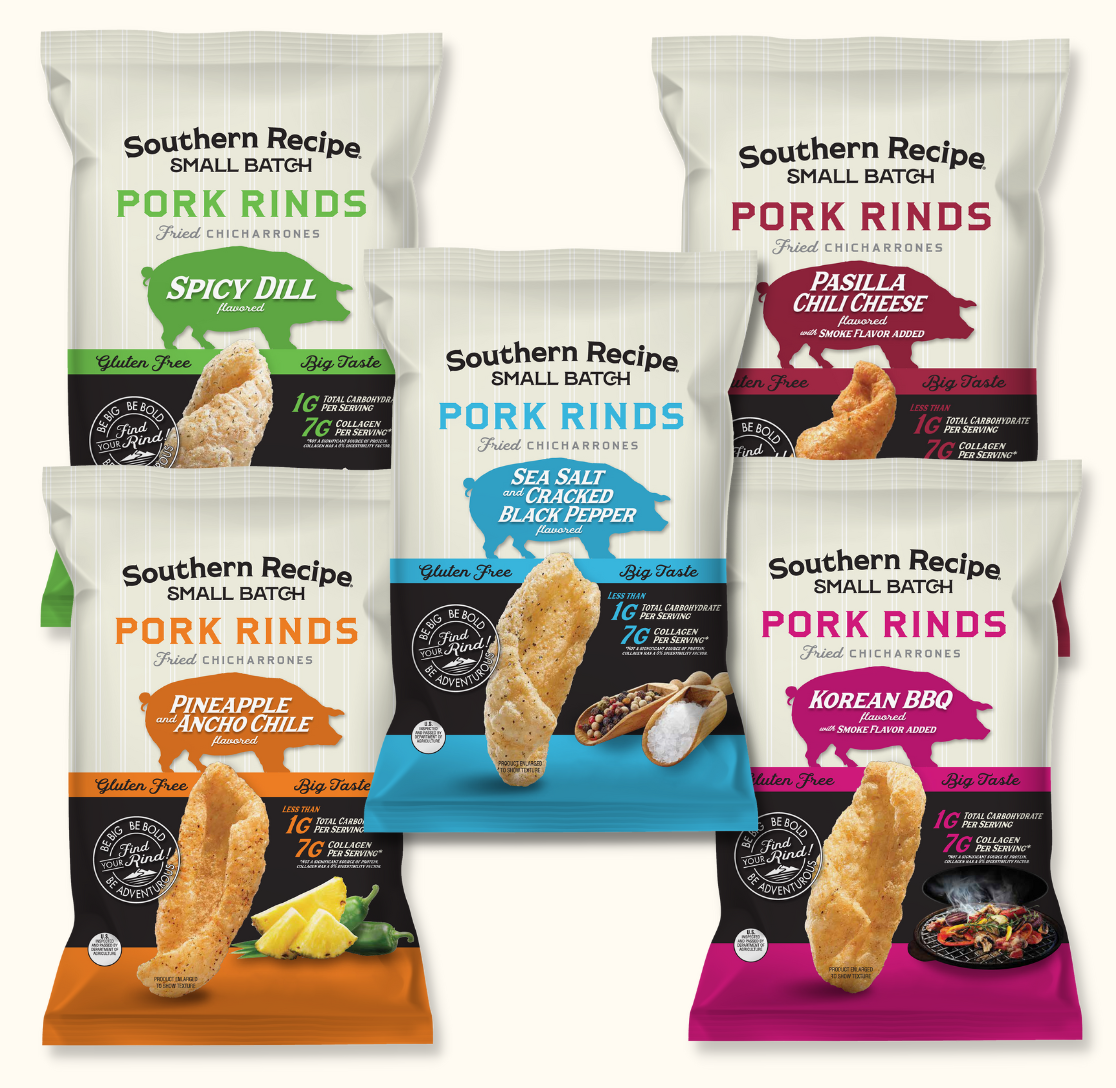
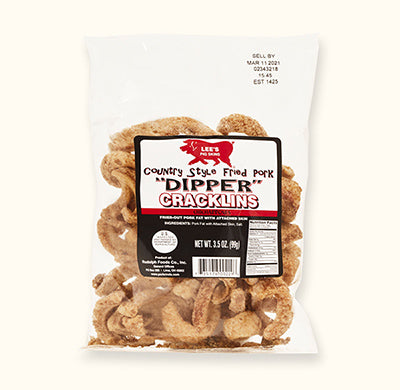
Pork rinds. Zero carbs and around 7 to 9 grams of protein per serving, depending on the flavor. They aren't a meal replacement, more a snack that isn't chips, crackers, or a protein bar dressed up like candy, and that's enough to earn a spot in the rotation. PorkRinds.com fits the between-meals slot: something with crunch that doesn't undo the math once breakfast and lunch have already covered your protein.
Protein bars and shakes are the biggest leak in most carts. A $3 bar with 20 grams of protein runs about 15 cents per gram. Eggs land closer to 3 cents. Ground beef, priced by the raw pound and adjusted for its actual protein yield, works out to roughly 8 to 9 cents a gram, still nearly half the cost of the bar. The bar isn't paying for more protein. It's paying for a wrapper.
Pre-marinated, pre-seasoned, or "value added" meat leaks money the same way. Chicken breast injected with a sodium solution costs more per pound than plain breast for the same protein. So do flavored ground beef patties and anything labeled "seasoned" at the meat counter. Season the plain cut yourself instead. Salt and pepper aren't the expensive part of anyone's grocery bill.
Specialty cuts leak money too, though this one's about preference more than waste. Filet mignon delivers protein, and so does chuck roast for a lot less money. If the goal is grams of protein rather than a particular eating experience, the pricier cut doesn't get you more of what you're actually after.
Three eggs at breakfast cover about 18 grams before 8 a.m. A can of tuna over greens at lunch brings another 20. Dinner built around a pound of 80/20 ground beef, split across two servings, puts roughly 20 more on the plate. That's close to 60 grams from three meals, without a shake, a bar, or a supplement label anywhere in the mix.
Snacks fill the rest. A handful of pork rinds, a couple of hard-boiled eggs left over from the morning batch, string cheese if it's in the budget. None of it requires a supplement aisle, and having a few flavored chicharrones to rotate through keeps the same snack from getting old.
The Actual Rule
None of this needs a new product or a clever trick. Eggs, thighs, and ground beef delivered the same protein at a much lower cost long before anyone put a "high-protein" label on anything. The grocery store already stocks what works. It's just not shelved next to the marketing budget.