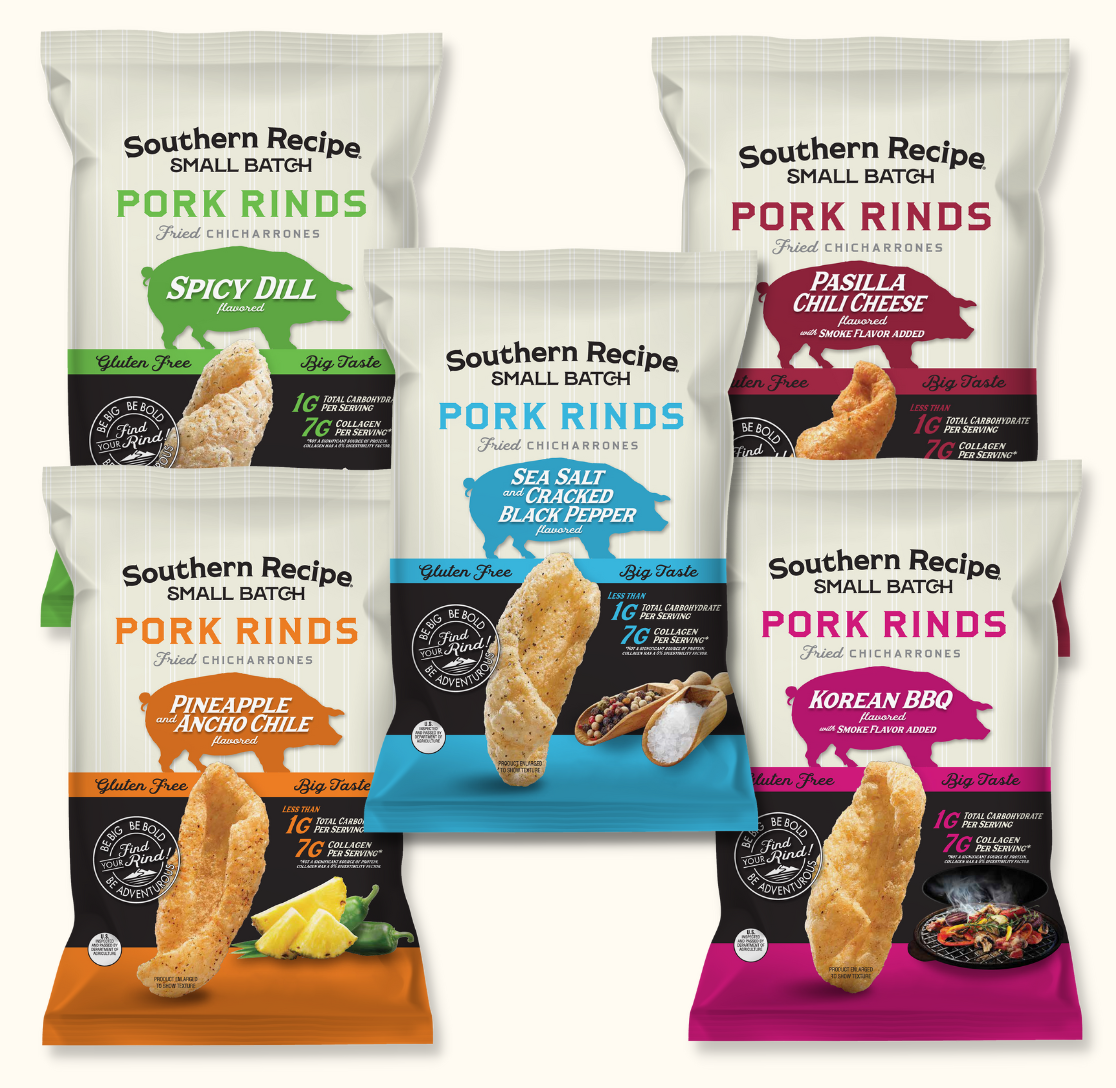
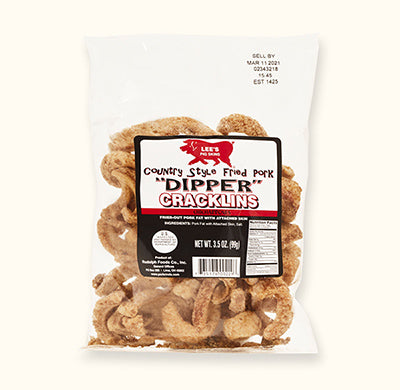
Beef tallow is rendered beef fat, cooled and solidified until it looks something like a block of pale butter. Zero carbs, zero protein, and it's older than any bottle of vegetable oil in the pantry. People mostly stopped reaching for it in the back half of the twentieth century, once seed oils got cheap and took over the shelf space. Pork rinds from PorkRinds.com get a section below as a breading for tallow-fried meat.
Tallow comes from rendering the fat trimmed off beef, usually suet, over low heat until it liquefies and separates from any connective tissue. Strain it, let it cool, and it sets into a solid, shelf-stable block. Store it in a sealed container somewhere cool and dark, and it doesn't need refrigeration to stay good- the same shelf-stable logic behind bagged chicharrones and rinds that don't need refrigeration either.
A tablespoon runs about 115 calories: 12.8 grams of fat, zero carbs, zero protein. That fat splits roughly into 6.4 grams saturated and 5.4 grams monounsaturated, with a small amount of polyunsaturated fat rounding it out. For anyone counting macros, that's the entire nutrition panel. No fiber, no sugar, no hidden carbs from a thickener or an emulsifier.
Tallow's smoke point sits around 400°F, well above butter's roughly 300°F and comfortably ahead of extra virgin olive oil's 325°F. Push butter or a delicate oil past that limit in a hot pan, and it scorches, turning bitter before the food underneath finishes cooking. Tallow has more room to work with, which is what builds a real crust on a seared steak instead of a gray, steamed surface. For more cuts worth searing, see these keto-friendly meats.
That stability also comes from the fat itself. Saturated and monounsaturated fats resist oxidation better than the polyunsaturated fats that dominate most seed oils, so tallow holds up to reuse and repeated high heat without breaking down as fast.
Butter tastes mild and slightly sweet. Tallow carries a savory, beefy note instead, one that shows up in whatever it's cooked in. That's why fries cooked in tallow taste different from fries cooked in vegetable oil, and it's also why the industry-wide switch away from tallow in the 1990s cost flavor rather than added it. McDonald's and several other chains moved to vegetable oil that decade over concerns about saturated fat and cholesterol, not for the taste. That reasoning made sense at the time. It didn't do the fries any favors, and McDonald's ended up adding beef flavoring back into its frying oil to make up the difference. One tablespoon of melted tallow stirred into a pan of scrambled eggs is enough to taste what got lost.
Searing meat is the obvious one. A hot pan, a spoonful of tallow, and a steak get a crust that butter alone struggles to produce without burning first. The same goes for other low-carb cuts like chicken thighs and pork chops.
Eggs fried in tallow crisp up, lace-edged instead of just cooking through, the same effect you'd get frying them in bacon fat.
Roasted vegetables brown better in tallow than in olive oil, since olive oil's lower smoke point means it starts smoking in the oven before the vegetables finish browning. Cauliflower and Brussels sprouts benefit the most, since they need real heat to caramelize instead of steam.
Frying is where tallow earns its reputation. Traditional pork rinds are cooked in their own rendered pork fat (called lard), part of why they turn out crispy instead of greasy. Beef tallow works on the same principle for other proteins: crush flavored chicharrones into a low-carb breading, coat a chicken cutlet or pork chop, and fry it in tallow instead of vegetable oil. Both ingredients are zero-carb, and tallow's higher smoke point keeps the coating from soaking up grease the way a lower-heat oil would.
Butcher shops carry tallow in jars, and so do specialty grocers and some online retailers. Rendering it at home works too: cook down beef fat trimmings slowly until the fat separates out, then strain it through cheesecloth.
The one thing to watch: tallow solidifies fast once it cools. Keep the pan warm while you're working with it, and don't expect it to stay pourable if it's sitting in a cold bowl.
A cast iron pan and a spoonful of tallow will get a better sear on a six-dollar chicken thigh than most people manage with a thirty-dollar bottle of finishing oil.