Camping with diabetes does take a bit more thought than tossing granola bars in a bag and calling it a day, but it can be more doable than you may think. The trick with diabetic-friendly camping food is finding stuff that won't spike your blood sugar, won't spoil in your gear, and actually tastes like something you'd want to eat after a long hike.
So let's get into it.
Nuts are the obvious pick here. Almonds, walnuts, pecans. Calorie-dense, they travel well, and the fat and protein keep things stable. Portion them out before you leave if you're the type to accidentally eat half a bag in one sitting. No judgment, just practical advice.
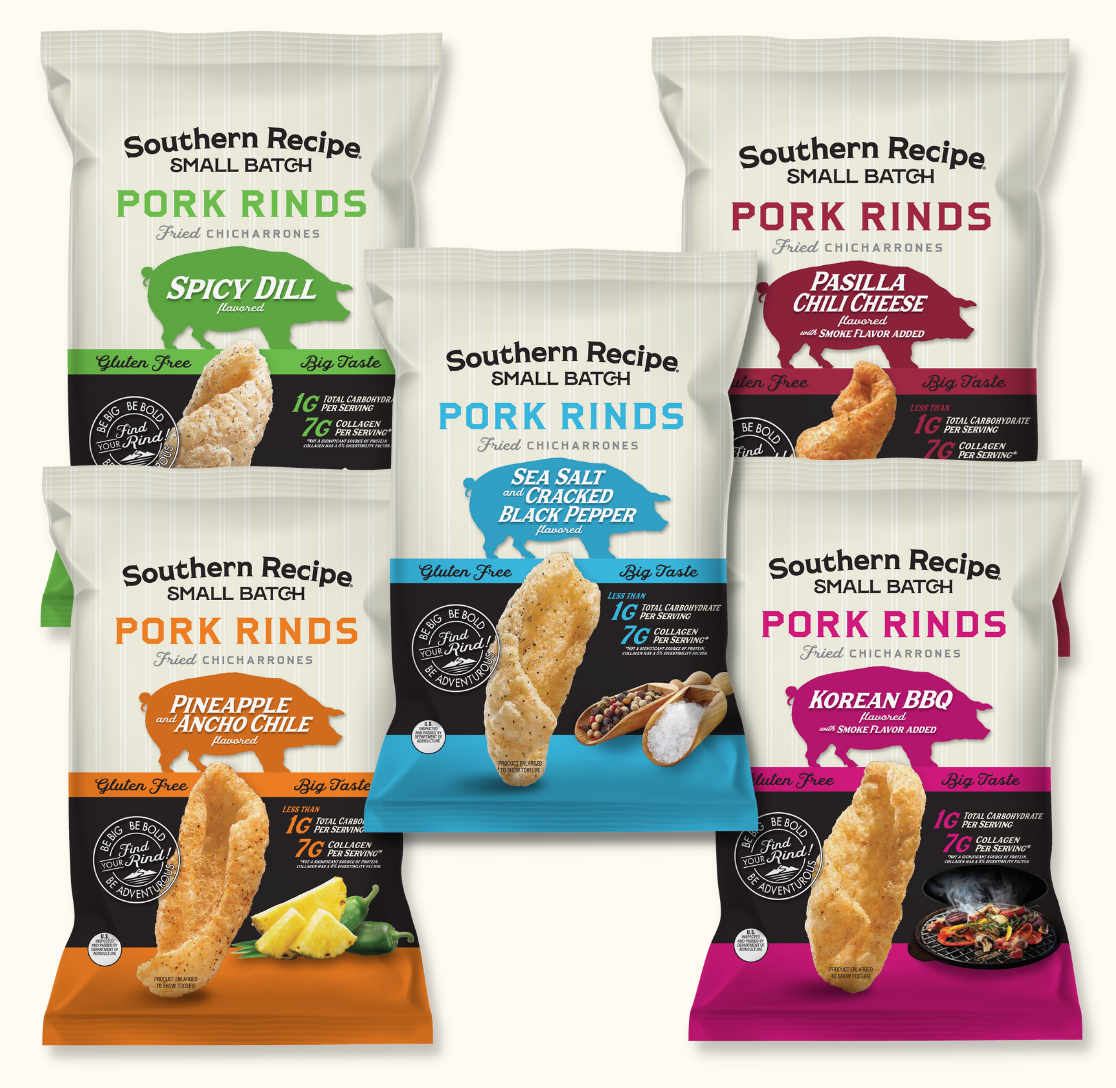
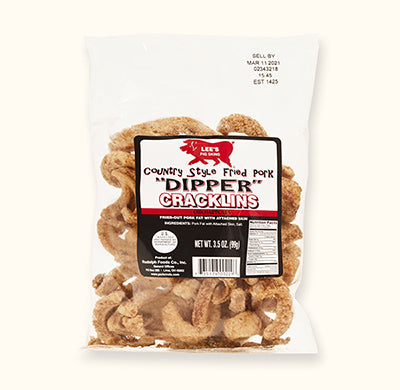
Cheese sticks and meat sticks hold up too, though you'll want to eat those earlier in your outing, depending on how long you're out. Pork rinds are another good one. Zero carbs, surprisingly filling, and they won't turn into crumbs at the bottom of your pack. Beef jerky is solid, but check the label. Some brands sneak in way more sugar than you'd expect. Kind of annoying, honestly.
Seeds are underrated. Pumpkin seeds, sunflower seeds. Light, don't crush easily, and you can throw them into anything.
Here's where people overthink it.
You don't need some elaborate dehydrated meal system. Canned fish like salmon or tuna does the job fine. Pair it with some whole-grain crackers or a low-carb wrap you packed flat. That's lunch. Done.
For dinners, pre-portioned pouches of lentils or black beans are decent. Not zero-carb but high fiber, which slows absorption. Add some olive oil packets and seasoning, and you've got something filling without being a blood sugar rollercoaster. Toss in some keto chicharrones from PorkRinds.com if you want crunch on the side.
Eggs are a good call if you're car camping or only going out for a night or two. Hard-boil them ahead of time. Bring them in a compact container. Protein-heavy and won't send your glucose anywhere weird.
You need fast-acting glucose on hand. Glucose tablets are the standard. Some people do juice boxes, but those get bulky fast. And if you're backpacking, every ounce matters.
Keep your emergency stash accessible. Not buried at the bottom of your bag under a sleeping bag. You know this, but still.
Dried fruit seems like it should fit, but it's concentrated sugar. A handful of dried mango has about as many carbs as a candy bar. Not ideal.
Trail mix from the store is usually a trap, too. The ratio of M&Ms to actual nuts is never in your favor. Make your own snack mix if you want something mixed.
Instant oatmeal packets are another one. Even the "lower sugar" ones tend to hit people hard. If oatmeal is your thing, go for steel-cut and prep it before you head out.
Write down what you're eating and when. Not forever, just for the trip. Helps you figure out what worked and what sent you scrambling for glucose tabs at 2am.
And test more often than you think you need to. Being outside, being active, and sleeping in unfamiliar conditions. All of it affects your numbers in ways that are hard to predict until you're out there.
Camping with diabetes is doable. Just requires a bit more intention around what goes in your kit. Once you've done it a couple of times, the planning part becomes second nature. The mosquitoes never get easier.