Protein maxxing means eating as much protein as your body can put to use, on purpose instead of by accident. Most low-carb eaters are already close to this habit; hitting a higher number just means doing it with intention.
The figure people cite in strength and fitness circles is roughly 0.7 to 1 gram of protein per pound of bodyweight. For someone at 180 pounds, that lands between 125 and 180 grams a day. It's not an official nutritional guideline, just a common target among people who train and track closely. Most high-protein foods already skip carbs entirely, so reaching that range doesn't take much extra planning. A handful of foods that look like they belong on the list don't actually pull their weight.
Meat, fish, and eggs cover most of it. A 3-ounce serving of grilled chicken carries about 26 grams of protein and zero carbs. Ground beef lands in a similar range per ounce; a 4-ounce serving of 90% lean beef adds close to 28 grams. Salmon and pork chops follow the same pattern. Eggs add roughly 6 grams each, an easy way to stack protein into breakfast without any real planning.
Cheese closes the gap between meals. Aged cheddar and Parmesan carry solid protein per ounce with almost no carbs attached. Cottage cheese runs even higher, close to 25 grams per cup, though it brings a few more carbs than the harder cheeses do. For a full carb breakdown by cheese type, the rest of the lineup holds up just as well.
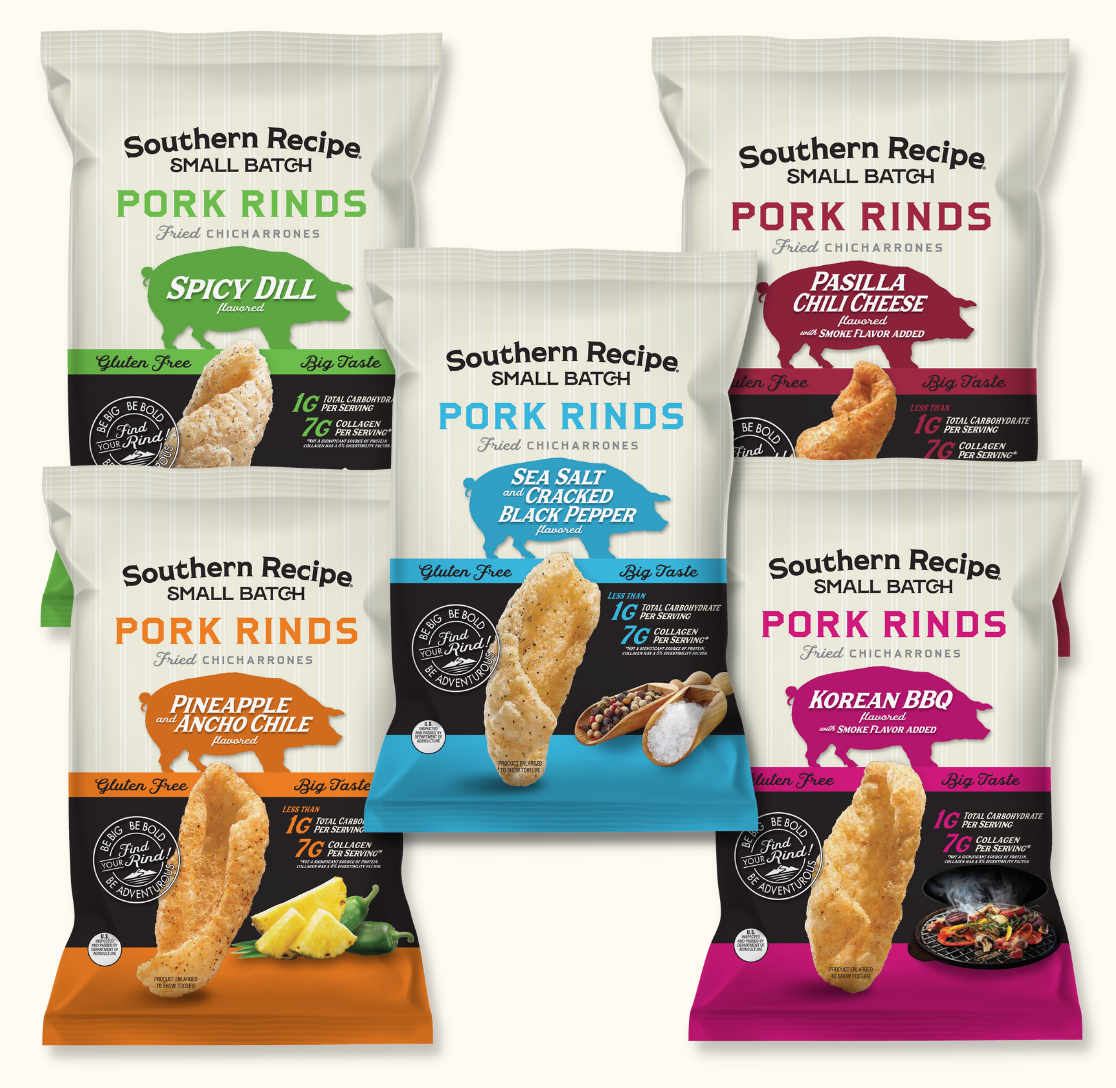
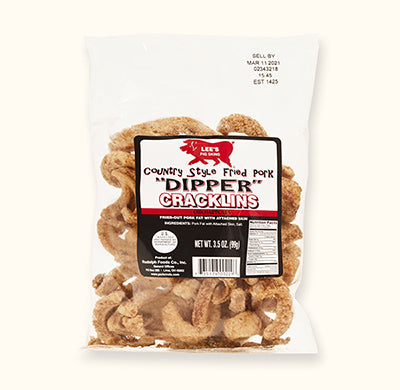
Pork rinds cover the snack side of the equation. They carry zero carbs and 7 to 9 grams of protein per serving, depending on the brand, and hold up better between meals than most people expect from something this crunchy. PorkRinds.com offers enough flavor variety that eating them daily doesn't get old, which matters if protein maxxing is a long-term habit rather than a two-week push.
Protein bars and shakes cause the most confusion. A label can list 20 grams of protein and 20 grams of sugar on the same panel, which erases the point for anyone tracking carbs. Read the full label, not just the number printed largest on the front.
Legumes contribute solid protein, but black beans and lentils bring a real carb load along with it. That's manageable for someone doing loose low-carb, less so for anyone holding to strict keto numbers.
Flavored yogurt hides a similar issue. Plain, full-fat Greek yogurt is a legitimate protein source. Fruit-on-the-bottom versions sitting next to it on the shelf can add 10 or more grams of sugar to a product that looks nutritionally identical from the front of the container.
Strict keto adds one wrinkle: the body can convert some excess protein into glucose through gluconeogenesis. Researchers still disagree on how much this affects ketosis in practice, and it doesn't happen the same way in everyone. If ketone readings drop while protein intake climbs, this is the first thing to check.
Loose low-carb eating doesn't need to plan around this. Protein still beats almost anything else on a menu, calorie for calorie.
Breakfast might be three eggs and a handful of cheese, maybe bacon alongside. That's already past 25 grams before 9 a.m. Lunch can be a can of tuna or leftover chicken thighs; nothing complicated is required. Snacks fill in the gaps: hard-boiled eggs, a meat stick, a bag of pork rinds when the craving for crunch shows up, and chips aren't an option. Dinner needs a protein anchor close to the size of a deck of cards or larger, plus vegetables that don't carry a carb cost.
Stacked together, that's 150 grams of protein without tracking every bite. The foods on this list were already sitting in most kitchens before protein maxxing had a name for it.