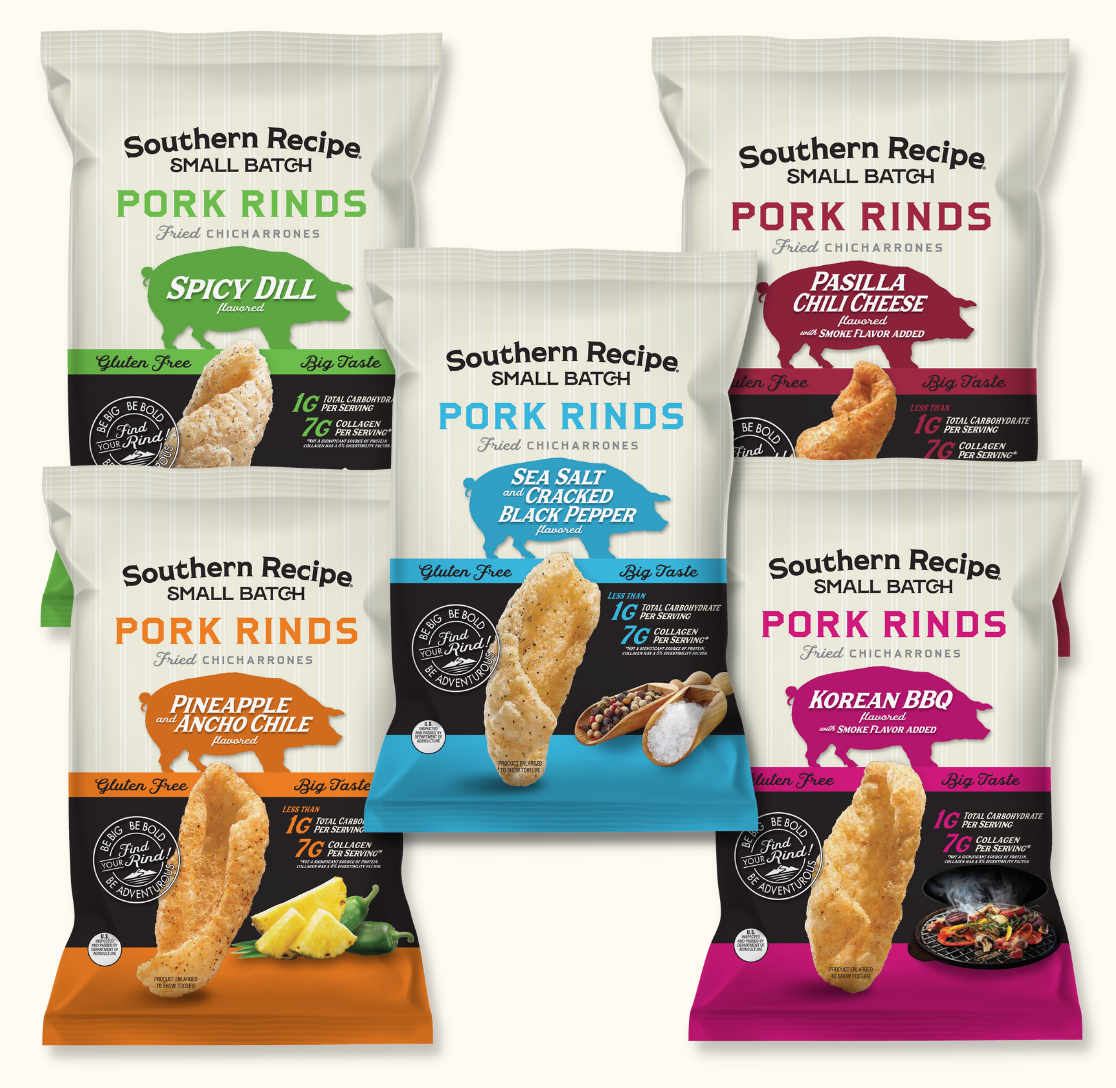
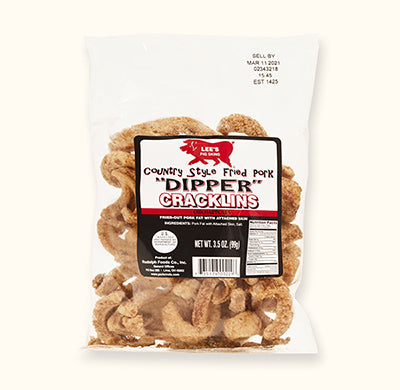
Pork rind pizza crust is one of those keto hacks that sounds weird until you try it. Using keto chicharrones as your base, it won't fool anyone into thinking it's traditional dough, but for a low-carb alternative, it gets the job done. No cauliflower involved.
This version uses ground pork rinds as the base, mixed with cream cheese, eggs, and Italian cheese to create something that crisps up in the oven. You're not getting that yeast-risen chewiness, but you are getting a sturdy base that can handle toppings without falling apart.
Pork rind pizza crust is one of those keto hacks that sounds weird until you try it. Using crushedchicharrones as your base, it won't fool anyone into thinking it's traditional dough, but for a low-carb alternative, it gets the job done. No cauliflower involved.
This version uses ground rinds mixed with cream cheese, eggs, and cheese to create something that crisps up in the oven. You're not getting that yeast-risen chewiness, but you are getting a sturdy base that can handle toppings without falling apart.
Ground rinds act like breadcrumbs in this recipe. They absorb moisture from the eggs and cream cheese while adding structure. The fat content also helps everything brown and crisp up when it bakes.
The rinds bind ingredients together, giving you a doughy texture that's hard to achieve with just almond or coconut flour.
Buy pre-ground rinds or pulse whole ones in a food processor until they look like breadcrumbs. If you're doing it yourself, don't over-process. Aim for something closer to panko than flour, though some variation in texture usually helps the crust feel less dense.
Cream cheese and eggs bind everything together. Mozzarella and Parmesan melt into the mix and add flavor while contributing to the overall consistency. You can't knead or stretch this like traditional dough. It's more like a thick batter that you spread out.
Here's the full ingredient list and steps:
Ingredients:
2 ounces pork rinds (we suggest a basic flavor)
8 ounces cream cheese
4 eggs
2 teaspoons oregano, dried
2 teaspoons garlic powder
1 teaspoon red pepper flakes
1/4 cup parmesan cheese, shredded
2 cups mozzarella cheese, shredded
Steps:
Preheat oven to 425°F. Grease a pizza pan, baking sheet, or line with parchment paper.
Pulse the pork rinds in a food processor until they look like breadcrumbs. No food processor? Crush them in a plastic bag with your hands until you get a fine powder.
In a bowl, whisk the eggs, then combine with cream cheese, oregano, garlic powder, red pepper flakes, and the shredded cheeses. Stir until everything's well incorporated. Then add the ground rinds and keep stirring until the batter becomes a thick dough.
Dump the dough onto your greased pan. Cover with plastic wrap or wax paper to help you spread it to the edges. Make it even, no lumps.
Bake for about 20 minutes. Remove the wax paper first if you haven't already.
When your timer goes off, pull the crust from the oven and let it cool for 10 minutes. Take a knife to free the outer edges from the pan and run a flat spatula underneath to free it completely. Skip the cooling time, and it's going to stick.
Flip your crust and top it like you would any other pizza. Sauce, cheese, meat, vegetables, whatever you want.
Stick it back in the oven and bake until the cheese is bubbly.
Pull it out and wait 10 minutes before cutting.
When the recipe says the batter becomes a "thick dough," they're not exaggerating. Once you add the rinds, everything stiffens up fast. You're working with something closer to cookie dough consistency. It won't pour.
If it seems too thick, don't panic. That's normal. Use your hands or a spatula to spread it out on the pan. Plastic wrap or wax paper helps because the dough is sticky. Press down through the wrap to flatten it out, then peel the wrap off before baking.
Baking happens in two stages. The crust goes in alone for 20 minutes to set the structure. Skip this step and pile everything raw, you'll end up with something undercooked in the middle.
That 10-minute cooling period after the first bake? It matters. Everything firms up as it cools slightly, which means you can add your sauce and mozzarella without it all falling apart.
Same deal after the second bake. Wait 10 minutes before cutting. The melted cheese sets up and makes slicing cleaner.
Keep it simple for your first attempt. Pizza sauce, mozzarella, maybe some pepperoni. You can get fancy later, but a basic pie lets you judge the base on its own.
Don't go overboard with wet ingredients. Too much sauce or too many watery vegetables can soften things. If you're using mushrooms or tomatoes, cook them down a bit first to reduce moisture.
Anyway, if you want a meat-heavy pie, sausage, bacon, and pepperoni all work. A crust made fromlow carb chicharrones has enough flavor that it doesn't get lost under heavier toppings.
Too soft: Usually means it didn't bake long enough in the first round, or you added sauce and toppings before it cooled. Give it the full 20 minutes and wait the 10 minutes afterward.
Falling apart: Often happens if the dough wasn't thick enough (did you measure the rinds after grinding?) or if it stuck to the pan. Parchment paper helps.
Eggy flavor: Some people find this noticeable. You could try using one less egg, though the consistency might change. Or just load up on stronger-flavored toppings to balance it out.
Most stores sell whole rinds in the snack aisle, but ground versions are less common.PorkRinds.com carries them if you want to skip the food processor step.
You could also grind your own from regular bags. Just pulse them in a food processor until they're roughly the consistency of breadcrumbs. Some people like them finer, but a little variation in texture usually helps the crust feel less dense.
Traditional pizza dough? This won't replace it. But if you're doing keto or low-carb and you miss pizza, it's worth trying. It's savory, it holds what you put on it, and it doesn't involve trying to make vegetables act like bread.
Give it a shot. Worst case, you're out some eggs and cream cheese. Best case, you've got a new option for pizza night that fits your macros.