Tallow is rendered beef fat. Zero carbs, about 115 calories per tablespoon, and roughly half of that is saturated fat. For keto purposes, it's about as clean an ingredient as exists: one component, no label to read.
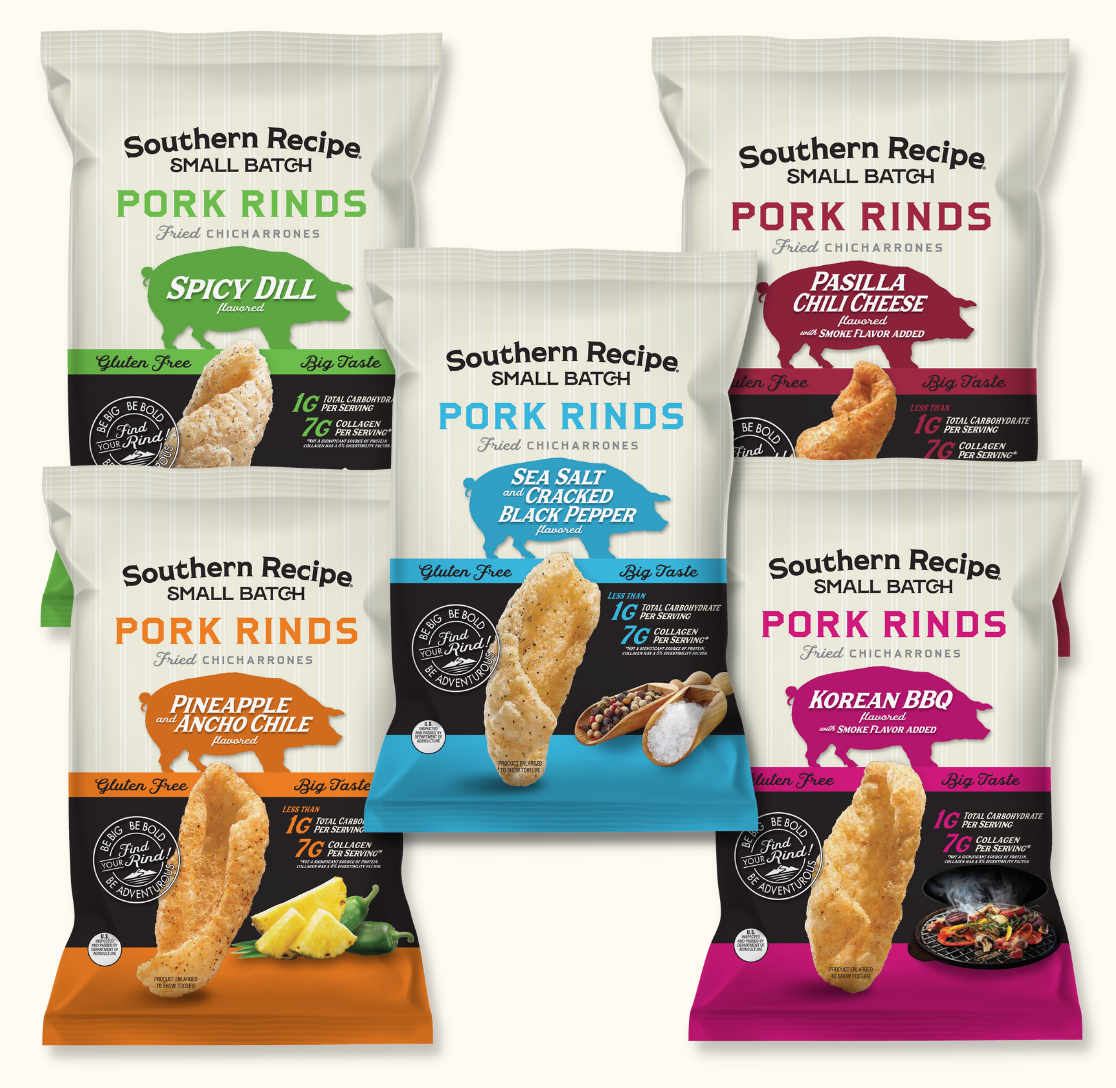
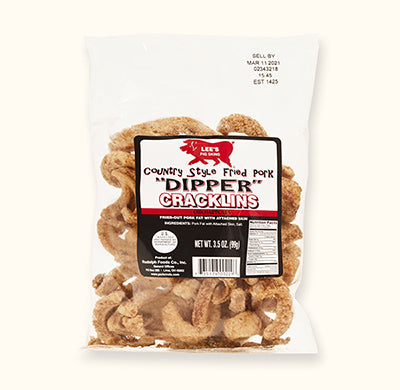
Tallow's smoke point sits around 400°F, well above butter's 300°F to 350°F. Olive oil comes closer, landing anywhere from 320°F to 410°F depending on how refined it is, so tallow isn't dramatically ahead there. What tallow does offer is a cleaner sear: steak or a burger patty gets a hard crust without the fat breaking down and turning bitter. Roasted vegetables get the same benefit. Melt a spoonful over Brussels sprouts or cauliflower before roasting, and the result browns and crisps better than most vegetable oils manage. Crumble on some crushed chicharrones after they come out of the oven and the crunch holds up better than any crouton would. PorkRinds.com carries a range of fried and baked flavors if you want to try a few before settling on one.
Ground beef benefits too, particularly the leaner varieties. Mixing a spoonful of tallow into 90/10 ground beef while it cooks brings the fat content back up, with a slightly richer flavor rather than a foreign one. Useful if you're buying lean meat for cost reasons but still need the fat for satiety.
Some people stir tallow into their morning brew, following the same fat-for-energy logic as butter coffee. It works, but doesn't offer anything better than butter or MCT oil already provide for most people. Enjoying the taste is reason enough to keep doing it. Chasing it for a metabolic edge means chasing evidence that's still thin.
Skincare balms and candles made from tallow show up in keto and carnivore corners of the internet. Neither has anything to do with your diet. A jar bought for the kitchen shouldn't end up funding a different body care routine.
Grass-fed tallow costs more than the regular grocery-store kind and carries a slightly different fatty acid profile, with more conjugated linoleic acid. The difference is marginal for everyday cooking. Someone tracking macros closely gets the same math either way: zero carbs, all fat.
Rendered tallow keeps for months at room temperature in a sealed jar, longer in the fridge. If it smells off or the color shifts from creamy white to yellow, it's turned. Toss it.
Buying tallow pre-rendered is faster, but rendering it yourself from beef fat trimmings costs less if you're already working with whole cuts. Cut the fat into small pieces, cook it low and slow in a pot for two to three hours, and strain out the solids. What's left is tallow. It takes almost no active effort, just time.
Sear a steak in tallow, then fry an egg in the same skillet, for a breakfast or dinner plate that barely needs cleanup. For something with more texture, crush a handful of pork rinds from PorkRinds.com over roasted vegetables that came out of the same pan. The pork rinds add crunch that the vegetables never had on their own, and both start the same way: rendering animal fat down to almost nothing else.
It works on the stovetop as easily as in a Dutch oven, and the label never runs longer than two words: beef fat.