Yes. Protein is one of the better parts of eating low-carb.
The confusion usually comes from conflating all macronutrients into one big "watch what you eat" category. Carbs and protein are not the same thing. One spikes blood sugar; the other, in reasonable amounts, mostly doesn't. So while you're cutting the bread, the rice, and the snacks that come in crinkly bags with cartoon mascots, protein stays. A lot of it.
What matters is where your protein is coming from, because some high-protein foods bring carbs along for the ride.
Meat is the obvious starting point. Beef, chicken, pork, turkey, fish. None of them carry meaningful carbs on their own. A 3-ounce serving of grilled chicken has around 26 grams of protein and zero carbs. Ground beef, salmon, pork chops: same story. Cook them however you want, just watch the sauces and marinades. A lot of those are where the sugar sneaks in.
Eggs are reliable. About 6 grams of protein each, negligible carbs, and they work at any meal if you're flexible.
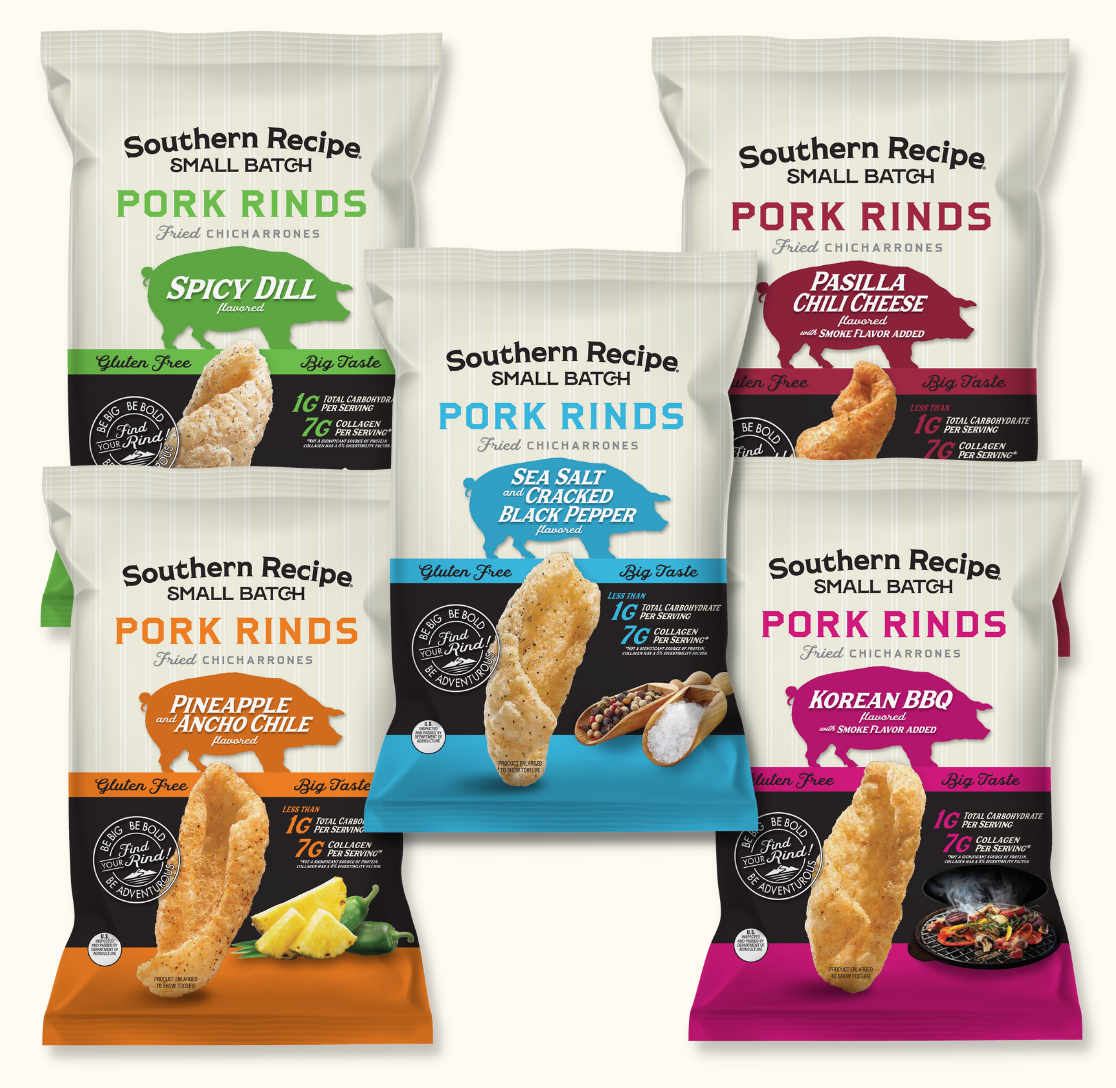
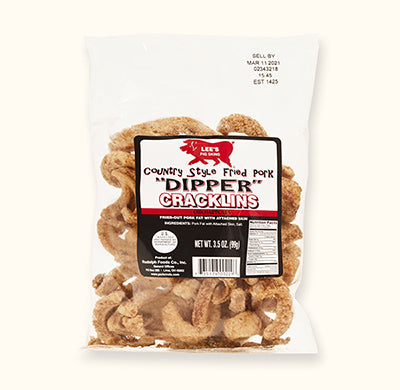
Most people don't think of snacks as a protein source, but pork rinds are. Zero carbs, and depending on the brand, around 7 to 9 grams per serving. They're also one of the few high-protein keto snacks that actually taste like something worth eating regularly. PorkRinds.com has flavors beyond the plain gas-station variety, which matters if you're eating them often and need the options to stay interesting.
Cheese holds up too, particularly the aged, hard varieties. Parmesan, aged cheddar, Gouda. High protein, high fat, and the carb counts are close to nothing. Cottage cheese has solid protein as well, though it runs a few more carbs than the aged stuff. For a fuller rundown of low-carb cheese options, the carb counts vary more than people expect.
Protein bars and protein shakes are the biggest offenders here. Some of them are fine. A lot of them are candy bars with glamourous branding. Fifteen grams of protein alongside 30 grams of sugar is not the low-carb win it's packaged as. Check the nutrition label before you assume "high protein" means anything useful for your goals.
Legumes are in a similar situation. Black beans and lentils have decent protein, but they're carrying a significant carb load too. Not a dealbreaker for everyone, just not a free pass either. They're not interchangeable with chicken, even if they're both on the "protein" mental shelf.
Greek yogurt surprises people. For low-carb purposes, full-fat and plain is the only real option. The flavored ones have enough added sugar to matter. A standard flavored container can run 10 to 15 more grams of carbs than the plain version. That's not a rounding error.
If you're on strict keto rather than general low-carb, very high protein intake can be a consideration. The body can convert excess protein into glucose through a process called gluconeogenesis. It doesn't happen the same way in everyone, and researchers still disagree on how much it actually affects ketosis in practice. But if you're tracking closely and your ketones are lower than expected, start tracking protein quantity alongside carb quantity.
For most people doing low-carb without strict keto requirements, this is not something to lose sleep over. Eat the steak. Eat the eggs.
Breakfast is usually eggs, maybe with cheese or a few strips of bacon alongside. Lunch can be canned fish or deli meat, or whatever protein-heavy leftovers are in the fridge. Keep snacks in the same lane: hard-boiled eggs, nuts, a meat stick where the label doesn't read like a sugar advertisement, flavored pork rinds and chicharrones if you want something with crunch. Dinner with a protein anchor and some low-carb vegetables.
Once you know which foods are actually doing something for you, the decision-making gets faster. Protein and near-zero carbs in the same bite is the target. Anything packaged as a protein food that can't clear that bar usually has a very nice label to make up for it.