Beef tallow is one of the better fats to keep around when you're eating low-carb. It's stable at high heat, it doesn't turn rancid sitting on the counter, and it makes most things you cook in it taste as they came out of a steakhouse.
These five are the recipes that earn it a permanent spot next to your stove.
Cast iron, ripping hot, big spoonful of tallow. Salt the steak heavily on both sides about 40 minutes before it goes in the pan (or right before, but the longer salt is better). Sear hard, three or four minutes a side, depending on thickness. Throw in a smashed garlic clove and a sprig of thyme at the end, tilt the pan, and baste the steak with the foaming tallow for the last minute.
Rest it on a board for as long as you cooked it. Don't skip that part.
The flavor lands closer to a steakhouse ribeye than anything you'll get from butter or olive oil.
Halve them, toss in melted tallow with kosher salt, and spread cut-side down on a sheet pan. 425 degrees, about 25 minutes, until the cut sides are almost too dark. Flaky salt and a squeeze of lemon at the end.
People who claim to hate Brussels sprouts have usually only had them boiled. These are not those.
Tallow does something to fried eggs that other fats can't pull off. Get a pan hot, melt a small scoop, crack the eggs straight in. The whites pick up this lacy, brown, almost-crispy edge that butter can't get to before it burns. Yolk's runny, pepper, done.
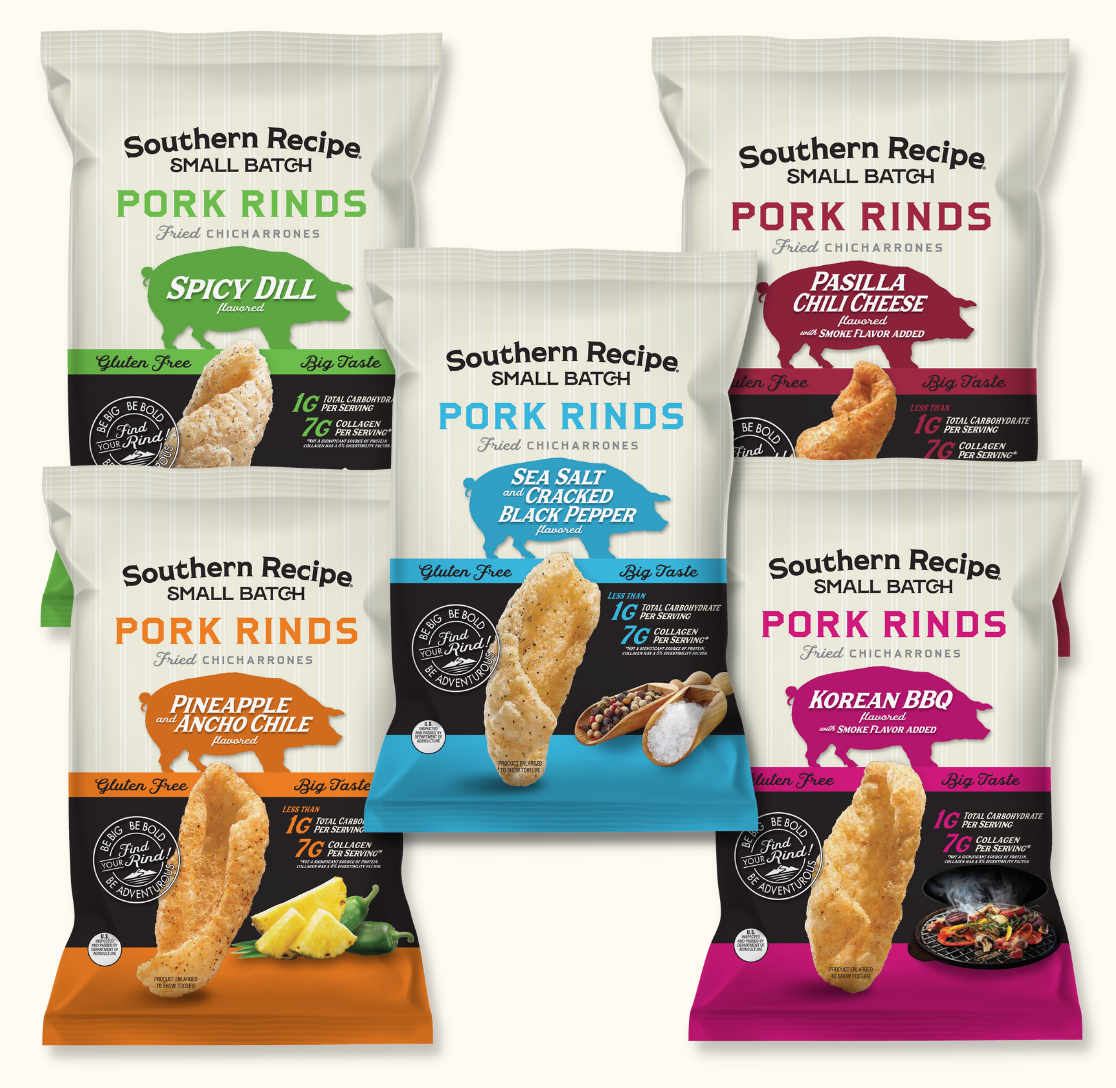
A handful of pork rinds from PorkRinds.com crumbled on top sounds weird until you try it. The flavored ones add new flavor profiles that shine against a runny yolk.
Roasting fixes radishes. Quarter a bunch, toss with melted tallow and salt, roast at 425 for around 30 minutes, flipping once. The bite mellows out completely and they go soft and savory in the middle with crispy edges. Not potatoes. Nobody is claiming they're potatoes. But they hit the same craving when you've got a steak on the plate and want something to stab with a fork next to it.
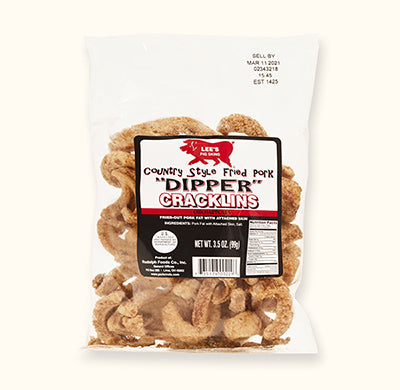
A sugar-free aioli on the side handles the rest. Or a bowl of flavored pork rinds and chicharrones if you want something with a kick next to the radishes.
This one takes time, but it's mostly hands-off. Bone-in, skin-on thighs in a small oven-safe pot, covered fully in melted tallow, with smashed garlic, peppercorns, and a couple of bay leaves. 250 degrees, two and a half hours. Pull them out, drain, then crisp the skin under the broiler for two or three minutes.
The meat shreds with a fork. The skin is perfectly crisp.
Save the leftover tallow in the fridge. It's now infused with chicken fat and aromatics, and your fried eggs next week will be even better than the ones in recipe three.
Grass-fed is worth the upgrade if you can swing it, both for flavor and for the fat profile. It also fits the clean keto approach most people land on after cooking this way for a while. Beef tallow keeps for months at room temp in a sealed jar, longer in the fridge, and effectively forever in the freezer.
The only real downside: once you start cooking with it, the bottle of vegetable oil under your sink starts to feel like a stranger in the house.